R
RSS new | Dated Building — Style and Material
Guest
- Thread Author
- #1
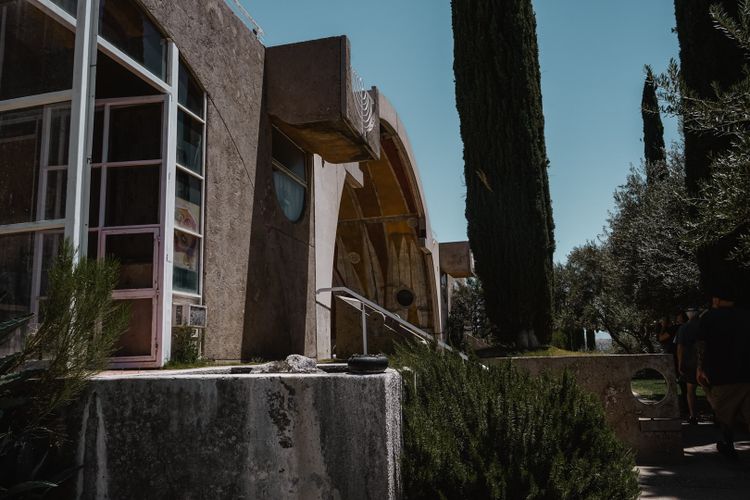
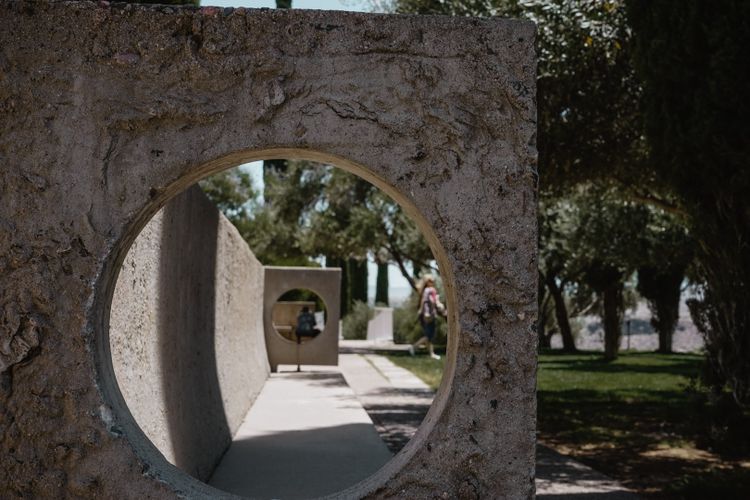
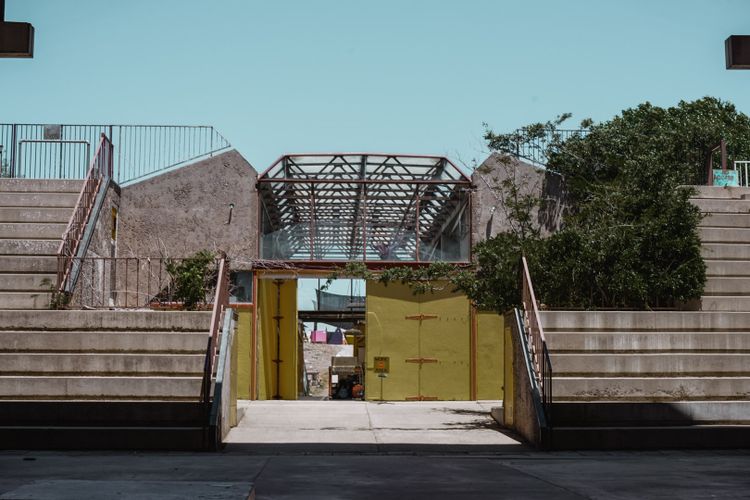
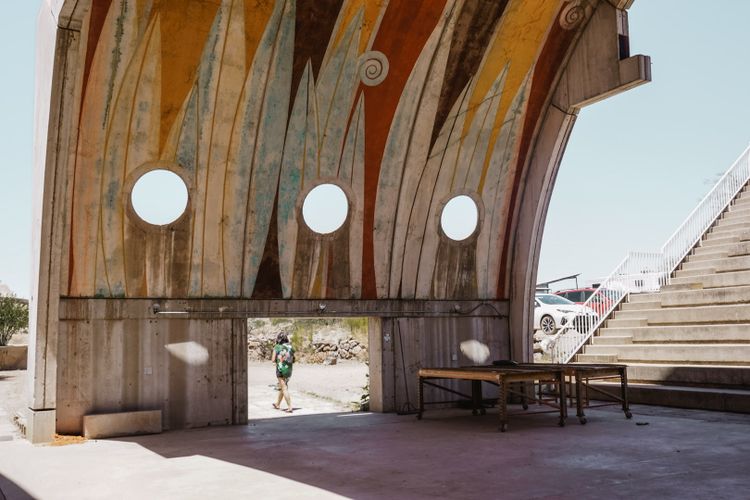
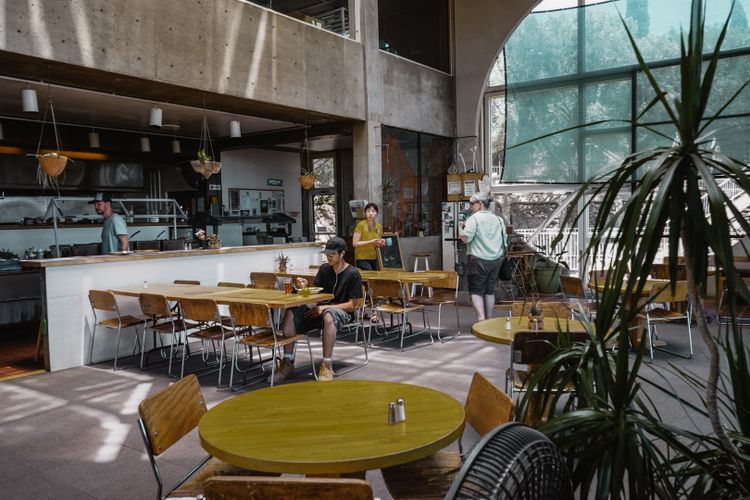
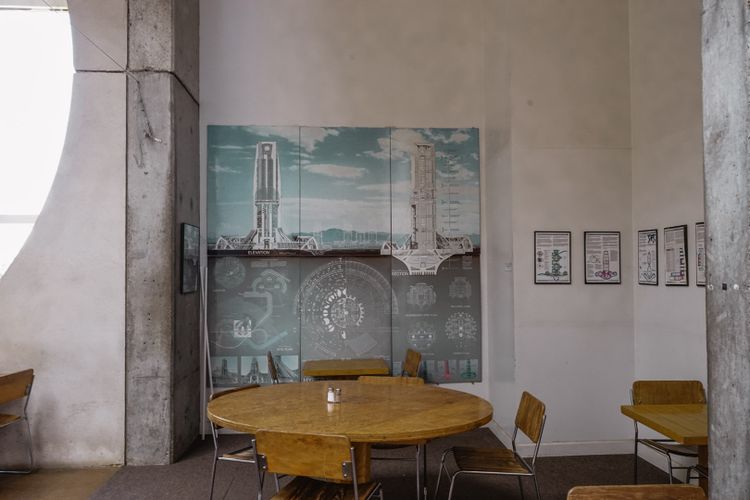
A few weeks ago I had a great opportunity to visit Arcosanti in central Arizona, 110 km north of Phoenix. It is known as an experimental town originally proposed by the Italian-American architect, Paolo Soleri (1919–2013).
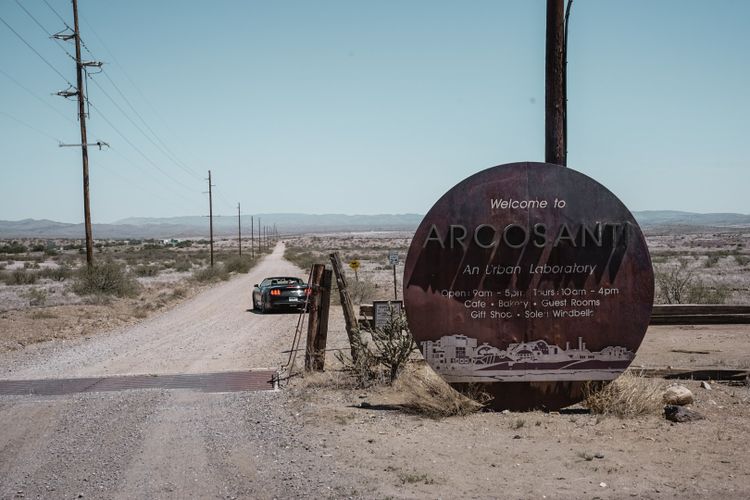
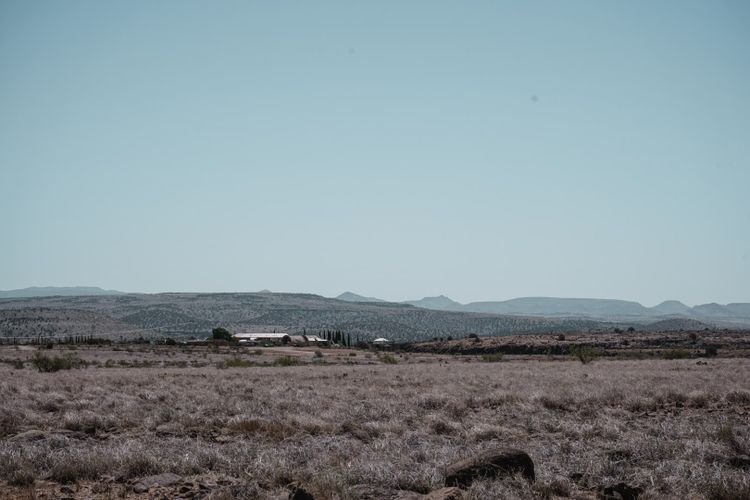
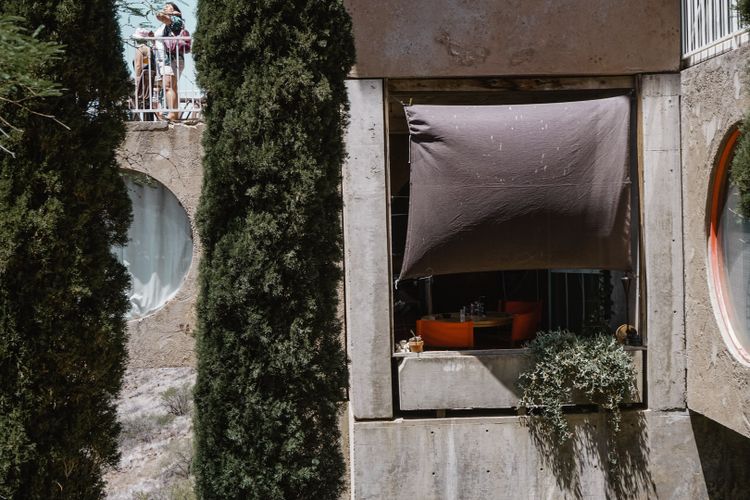
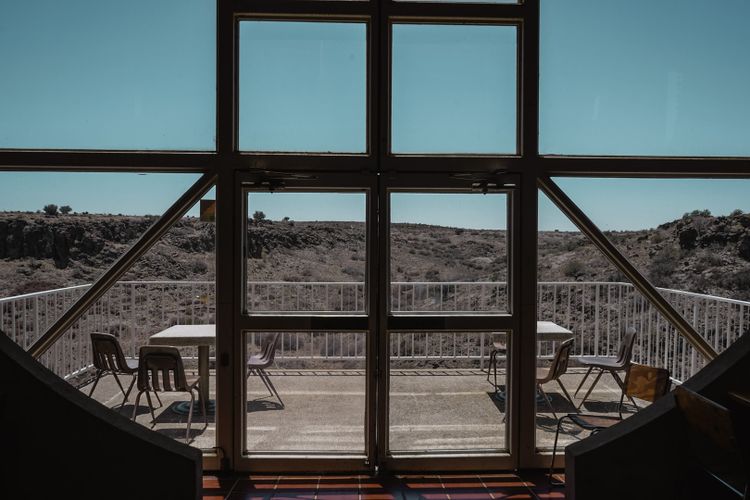
It felt almost surreal to visit this experimental town in the middle of nowhere — our car suddenly veered off the highway and went to the unpaved gravel path. After a few minutes, a mysterious building complex emerged in front of our eyes.
48 years after the Soleri's first construction in 1970, this 25 acres-wide land has developed as an independent 'town' with a community of architects and urban designers who are influenced by Soleri's legacy — there are still around 80 people living in Arcosanti, actively engaging in the realization of the plan.
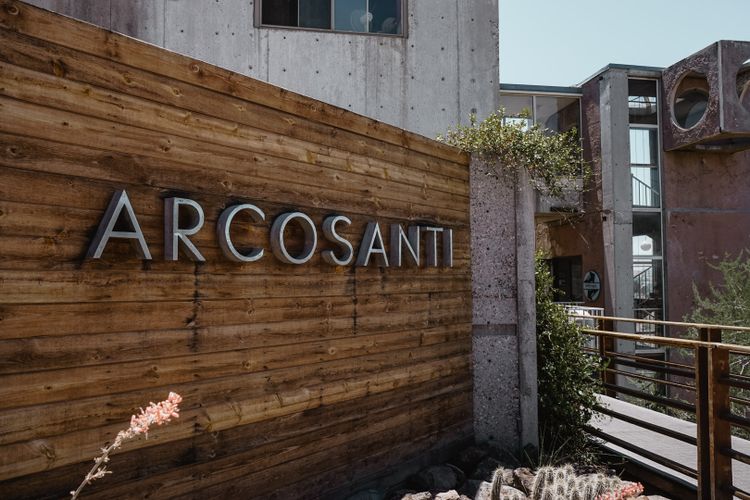
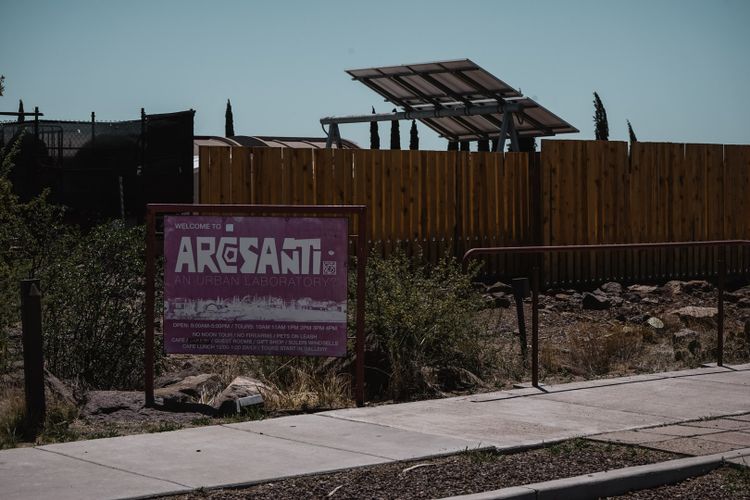
The goal of Arcosanti is to explore the concept of 'arcology' — which combines architecture and ecology — as a way to pursue the improvement of urban conditions while minimizing the destructive impact on the earth.
Soleri, got tired and sick of American car culture and urban sprawl (which I wholeheartedly understand), proposed to provide space for a variety of residential, commercial, and agricultural facilitieies within in the vicinity so that people can enjoy walkable urban environment while minimizing individual human environmental impact and economically self-sufficient.
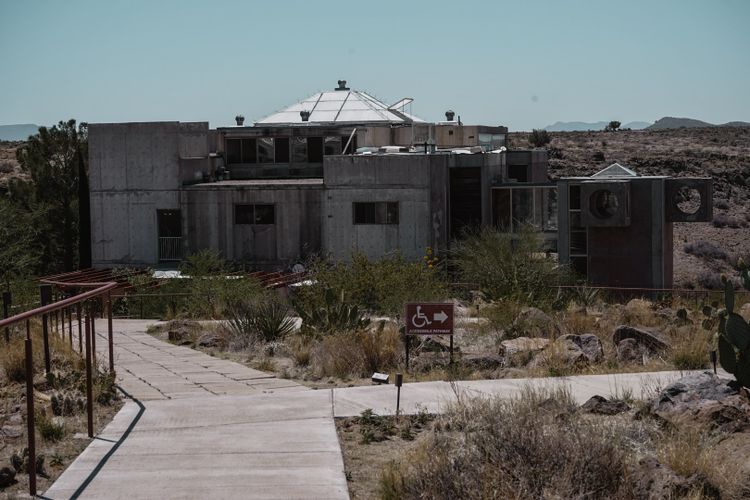
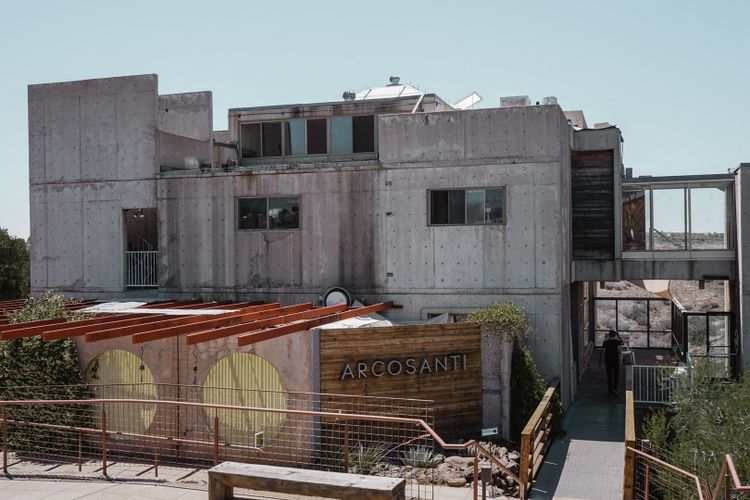
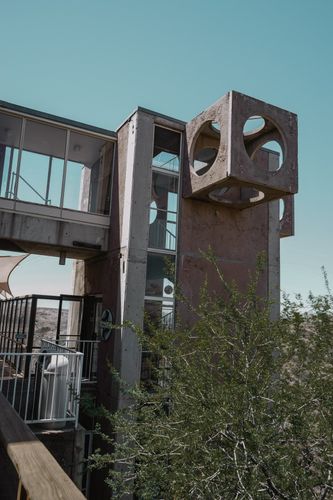
During the tour within Arcosanti, we are informed that this desert “utopia” still attracts many curious architects, designers and artists from all over the world — even after Soleri’s alleged sexual abuse on his own daughter and the whole plan had suspended. The community currently represents over 10 nationalities. The requirement for residency includes participation on a serious of workshops and active engagement of the community. It was quite interesting to see how people live and engage with their neighbors — some of them got jobs inside of Arcosanti and some of them work outside/online. The whole community is controlled by a community council that represents the residents.
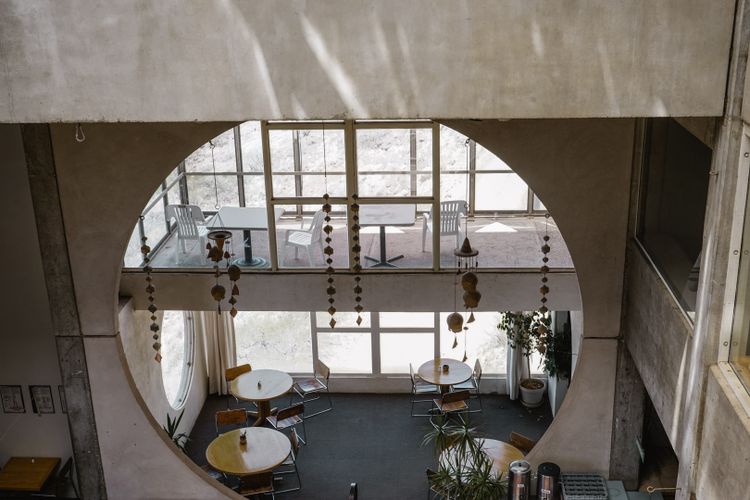
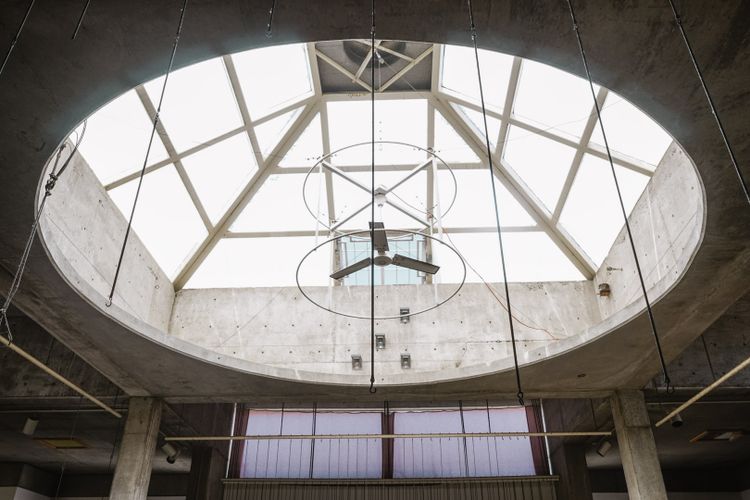
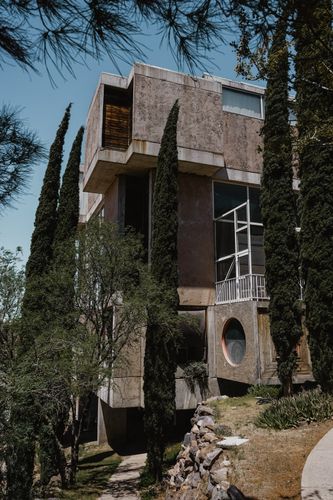
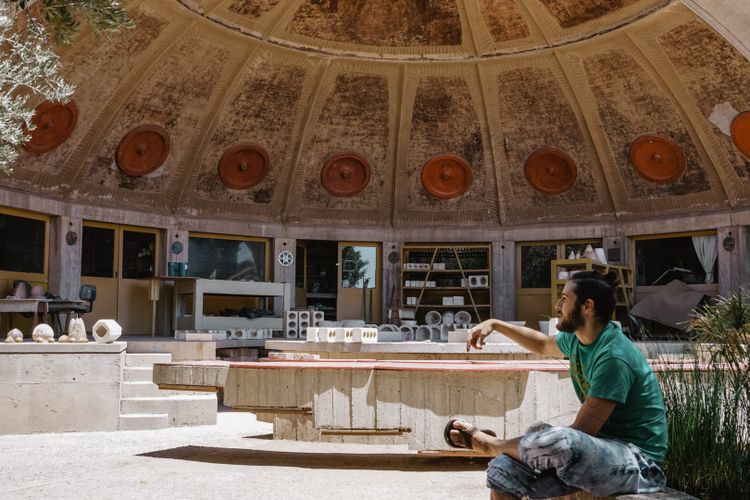
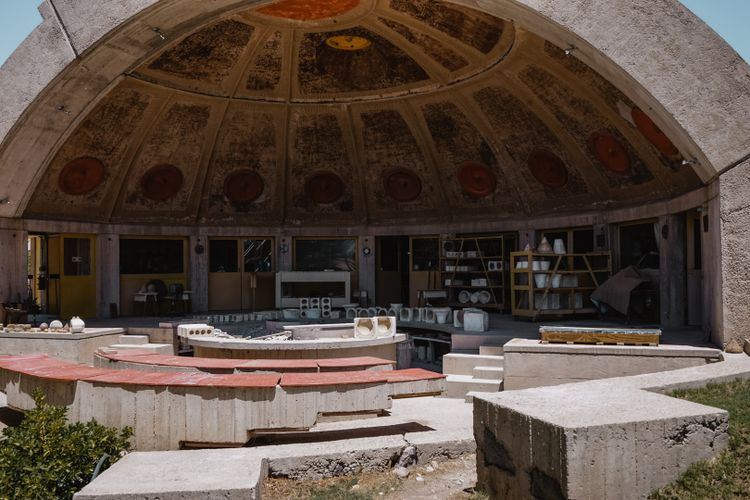
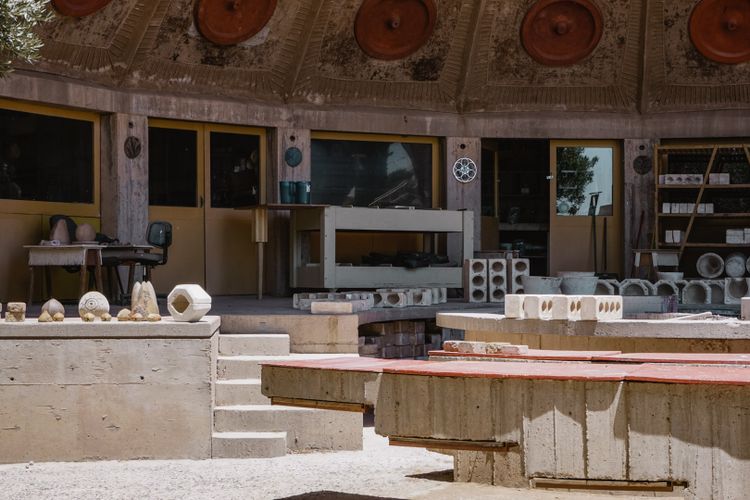
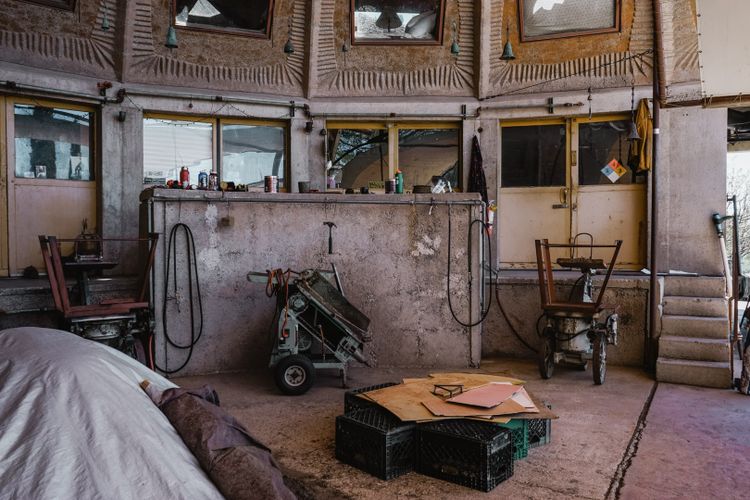
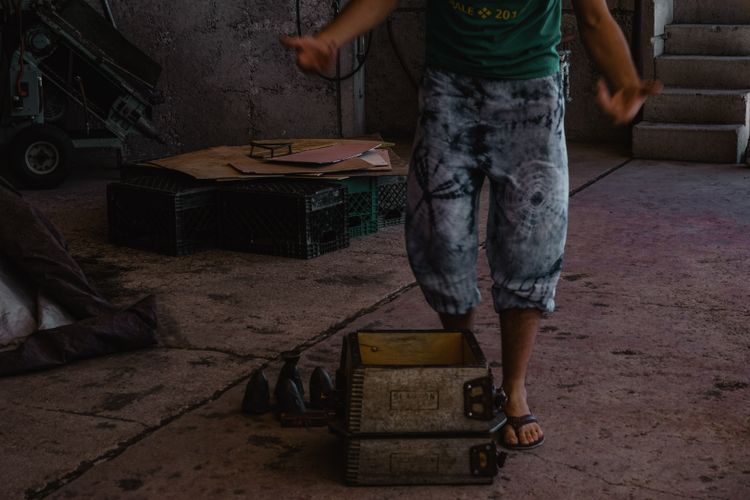
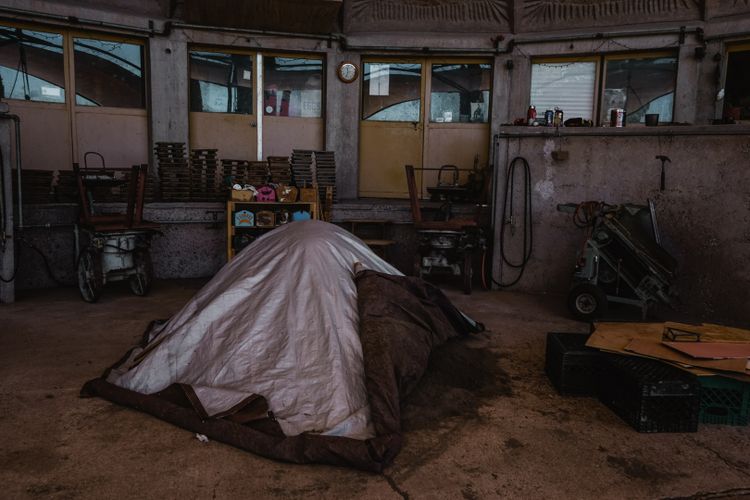
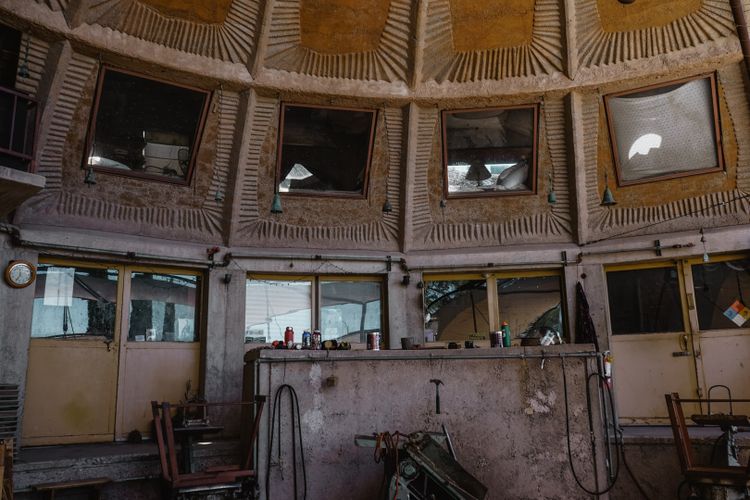
What I could see during my visit there is only 5% of the whole plan. Once it's completed (still 95% to go!), Arcosanti will be a dense, complex urban space that can host 5,000 people.
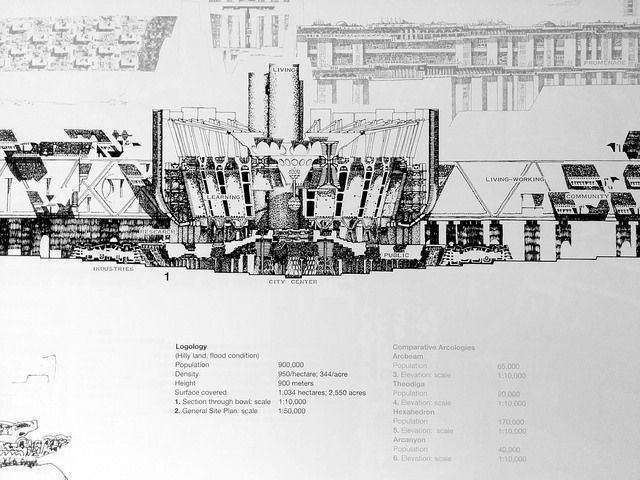 Photo by Cory Doctorow, flickr
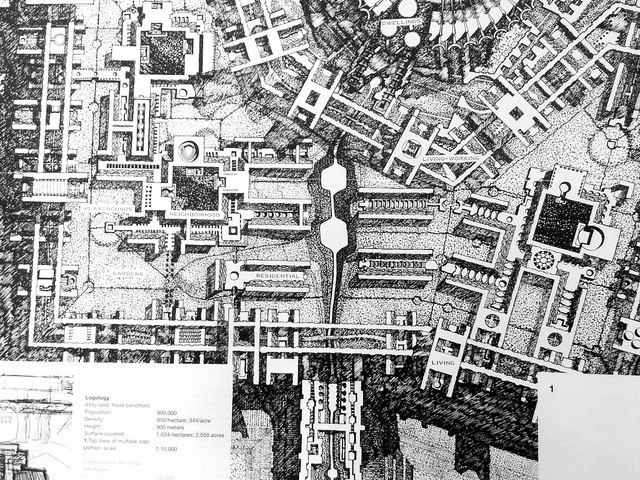 Photo by Cory Doctorow, flickr
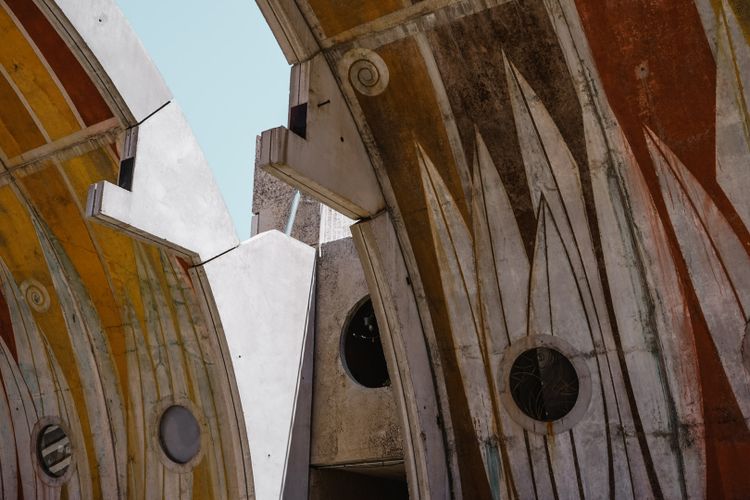
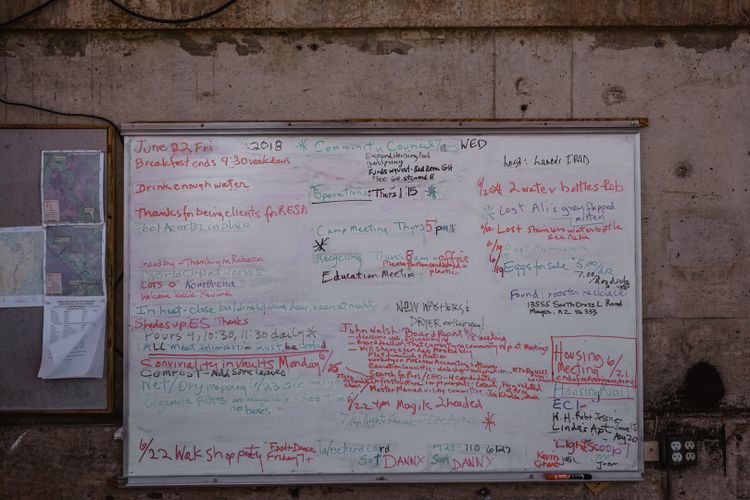
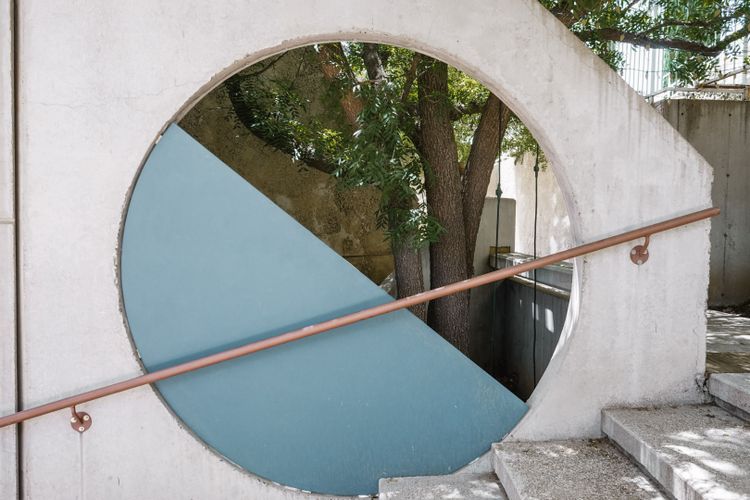
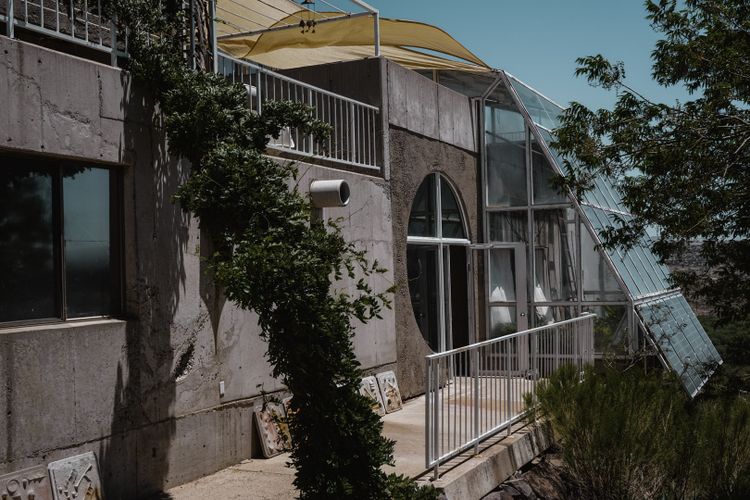
While the idea of arcology seems amazing and the community there seems to be well-functioning, I couldn't stop thinking about Soleri's sexual abuse to his own daughter and its controversy. In fact, the community of Arcosanti (not Soleri himself, obviously) has their official statement for #metoo and it's quite interesting to see their argument on this issue.
With Paolo Soleri's creative intelligence and contribution to urban theory can not be denied — however, I'm still struggling whether I can appreciate an art piece no matter who created it (kind of similar argument with Wagner controversies — can we love Wagner's music even after knowing his Nazi fascination?).
This living urban laboratory makes us think of a lot of issues. I highly recommend a visit!
Soleri’s life-long pursuit of “arcology”
It felt almost surreal to visit this experimental town in the middle of nowhere — our car suddenly veered off the highway and went to the unpaved gravel path. After a few minutes, a mysterious building complex emerged in front of our eyes.
48 years after the Soleri's first construction in 1970, this 25 acres-wide land has developed as an independent 'town' with a community of architects and urban designers who are influenced by Soleri's legacy — there are still around 80 people living in Arcosanti, actively engaging in the realization of the plan.
The goal of Arcosanti is to explore the concept of 'arcology' — which combines architecture and ecology — as a way to pursue the improvement of urban conditions while minimizing the destructive impact on the earth.
Soleri, got tired and sick of American car culture and urban sprawl (which I wholeheartedly understand), proposed to provide space for a variety of residential, commercial, and agricultural facilitieies within in the vicinity so that people can enjoy walkable urban environment while minimizing individual human environmental impact and economically self-sufficient.
Living urban laboratory — still a long way to go
During the tour within Arcosanti, we are informed that this desert “utopia” still attracts many curious architects, designers and artists from all over the world — even after Soleri’s alleged sexual abuse on his own daughter and the whole plan had suspended. The community currently represents over 10 nationalities. The requirement for residency includes participation on a serious of workshops and active engagement of the community. It was quite interesting to see how people live and engage with their neighbors — some of them got jobs inside of Arcosanti and some of them work outside/online. The whole community is controlled by a community council that represents the residents.
What I could see during my visit there is only 5% of the whole plan. Once it's completed (still 95% to go!), Arcosanti will be a dense, complex urban space that can host 5,000 people.
Controversy on sexual abuse and #metoo
While the idea of arcology seems amazing and the community there seems to be well-functioning, I couldn't stop thinking about Soleri's sexual abuse to his own daughter and its controversy. In fact, the community of Arcosanti (not Soleri himself, obviously) has their official statement for #metoo and it's quite interesting to see their argument on this issue.
With Paolo Soleri's creative intelligence and contribution to urban theory can not be denied — however, I'm still struggling whether I can appreciate an art piece no matter who created it (kind of similar argument with Wagner controversies — can we love Wagner's music even after knowing his Nazi fascination?).
This living urban laboratory makes us think of a lot of issues. I highly recommend a visit!
Last edited: