
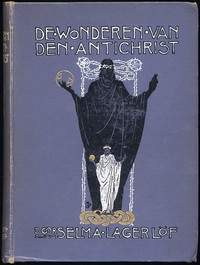
De Wonderen van den Antichrist by Selma Lagerlöf
Let's dive into this forgotten classic. Selma Lagerlöf, the first woman to win the Nobel Prize in Literature, wrote something here that feels way ahead of its time.
The Story
The story kicks off in Sicily. A young socialist named Gaetano gets his hands on an ancient statue of Christ as a child. Years later, he returns home with a mission. He wants to bring the ideas of socialism to his traditional village. He plants the statue in the local church, hoping it'll be a symbol of this new, fairer world he dreams of. And then, something unexpected happens. The statue starts performing miracles. People are healed. Hope is restored.
But not everyone is celebrating. A devout monk becomes convinced this isn't the work of Christ—it's the work of the Antichrist, using these wonders to deceive people and lead them away from true faith. The village gets torn in two. You've got one side seeing divine grace, and the other seeing a dangerous trick. The whole book is this tense, quiet battle over what's real and what the future should look like.
Why You Should Read It
What grabbed me wasn't just the plot, but how Lagerlöf treats everyone with such deep understanding. She doesn't make the socialist a cartoon villain or the monk a simple fool. Both sides are painted with real heart and real flaws. You feel for Gaetano's desire to help the poor, and you also feel the monk's genuine terror that his community's soul is at risk.
It's a book about big ideas—faith versus reason, tradition versus progress—but it's never dry. It's all wrapped up in the dusty heat of Sicily, in the lives of farmers and priests. It asks if good results can justify questionable origins, a question that feels incredibly relevant today.
Final Verdict
This book is perfect for readers who love historical fiction with a philosophical punch. If you enjoyed the moral complexities of Dostoevsky but want something a bit more accessible and grounded in a specific place, you'll find a lot to love here. It's also a great pick for anyone interested in the roots of modern political thought and how it clashes with ancient belief systems. Fair warning: it’s a slow, thoughtful burn, not a fast-paced thriller. But if you let it simmer, it sticks with you for a long time.
This book is widely considered to be in the public domain. It serves as a testament to our shared literary heritage.
Betty Wright
1 year agoAfter hearing about this author multiple times, the emotional weight of the story is balanced perfectly. I would gladly recommend this title.
Noah Martin
1 year agoI stumbled upon this title and it creates a vivid world that you simply do not want to leave. One of the best books I've read this year.
Elijah Thompson
1 year agoA must-have for anyone studying this subject.
Joshua White
1 year agoI had low expectations initially, however the clarity of the writing makes this accessible. I will read more from this author.





Linda Williams
7 months agoI had low expectations initially, however the narrative structure is incredibly compelling. A true masterpiece.