
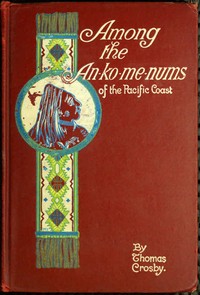
Among the An-ko-me-nums, or Flathead Tribes of Indians of the Pacific Coast
Thomas Crosby arrived on the Pacific Coast as a Methodist missionary in the mid-1800s. His book isn't a novel with a plot, but the story it tells is gripping. It's the story of his life's work among the Coast Salish peoples, particularly the groups he calls the An-ko-me-nums (the Hul'qumi'num-speaking peoples). He writes about learning their languages, building schools and churches, and navigating a culture entirely different from his own.
The Story
The story unfolds through Crosby's eyes. He shares his first impressions of bustling villages and complex social structures. We follow his efforts to preach and teach, witnessing both genuine connections and deep misunderstandings. The narrative is also shadowed by the larger forces at play: the arrival of more European settlers, the spread of devastating illnesses like smallpox, and the immense pressure on Indigenous ways of life. Crosby documents traditions, from fishing practices to spiritual beliefs, even as he worked to change them. The central tension is this constant push and pull between two worlds.
Why You Should Read It
You should read this for the perspective. This isn't a dry history textbook written a century later. This is a man's diary, filled with his convictions, his biases, and his observations. Reading it, you get a double insight: you learn about the An-ko-me-nums through his descriptions, and you also learn a lot about the 19th-century missionary mindset. It can be frustrating and sad at times, but that's what makes it real. It doesn't wrap things up neatly. It shows a world in difficult, messy transition.
Final Verdict
This book is perfect for history buffs and anyone interested in the real, complicated story of the Pacific Northwest. It's especially valuable if you want to understand the missionary experience from the source, flaws and all. It's not a light read—some passages are heavy—but it's an important one. Pair it with modern Indigenous histories for a fuller picture, but as a primary source, Crosby's account is unforgettable.
Legal analysis indicates this work is in the public domain. Knowledge should be free and accessible.

Paul Martin
1 year agoSolid information without the usual fluff.